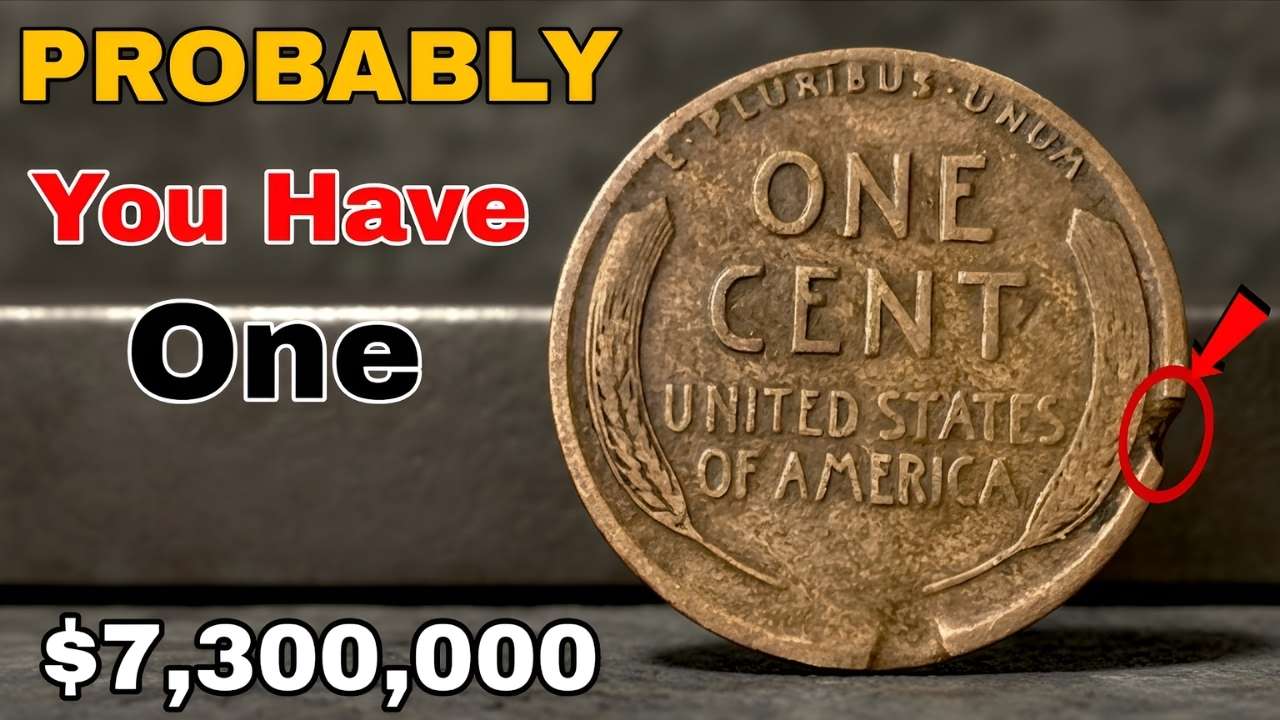
Ultra Rare Lincoln Wheat Pennies: Lincoln Wheat Pennies are among the most iconic coins in American history. First minted in 1909 to commemorate the 100th anniversary of Abraham Lincoln, these pennies feature Lincoln’s portrait on the obverse and two stalks of wheat on the reverse. They were produced until 1958, making them a staple in coin collections and an enduring symbol of early 20th century U.S. coinage.
While most Lincoln Wheat Pennies are common and hold only face value, some rare varieties and errors can fetch hundreds or even thousands of dollars. For collectors, understanding these error types is crucial to identifying coins worth keeping. Even casual coin enthusiasts can stumble upon valuable pennies in circulation or old collections if they know what to look for.

Why Lincoln Wheat Pennies Are Valuable
Several factors contribute to the value of a Lincoln Wheat Penny. Rarity is the most obvious. Coins produced in limited numbers or those with errors that occurred during minting are much more desirable. Condition, or coin grade, is another key factor. Pennies in mint state condition with sharp details are significantly more valuable than heavily worn examples.
Mint errors and unique variations often make pennies especially collectible. These can include doubling, misstrikes, or unusual planchets. Historical significance, such as the first year of issue or transitional designs, also adds to a penny’s appeal. Collectors often seek coins that combine rarity, excellent condition, and unique characteristics.
Key Dates to Look For
Some Lincoln Wheat Pennies are famous for their rarity and high value. The 1909-S VDB penny, for instance, is among the most sought after. It was minted in San Francisco, bears the initials of designer Victor David Brenner on the reverse, and had a relatively low mintage.
Other key dates include 1914-D, 1922 no D, and 1931-S. These coins were produced in limited numbers or have surviving populations that are small, making them highly desirable. For collectors, knowing these key dates is the first step in identifying coins worth investigating further.
Understanding Mint Marks
Mint marks indicate the coin’s production location and play a major role in its value. For Lincoln Wheat Pennies, the main mint marks are D for Denver, S for San Francisco, and no mark for Philadelphia. Certain mint-marked coins are rarer than others, even within the same year.
Some errors involve mint marks themselves. For instance, repunched or doubled mint marks can make a coin considerably more valuable. Collectors should carefully examine the area near the date and the reverse to identify these rare variations.

Popular Error Types
Mint errors are among the most exciting ways Lincoln Wheat Pennies become valuable. One common error is the doubled die, where part of the design appears to have been stamped twice. This can affect the date, lettering, or Lincoln’s portrait, and coins with clear doubling can sell for significant amounts.
Another error type is off center strikes. When the coin is not properly aligned in the press, a portion of the design is missing or shifted. The severity of the misalignment can influence the value.
Other notable errors include clipped planchets, broadstrikes, and incorrect metal compositions. Each error type is collectible and can significantly increase a coin’s market value depending on rarity and condition.
1909 VDB and Other Highly Sought After Coins
The 1909 VDB pennies are the most famous Lincoln Wheat Pennies for collectors. Their low mintage and historical significance make them extremely valuable. Condition is especially important for these coins; uncirculated examples can sell for thousands of dollars.
Other notable coins include the 1914-D and 1922 no D pennies. These coins were minted in limited quantities and are often sought by collectors who specialize in early Lincoln Wheat Pennies. Even a well preserved example in circulated condition can attract serious interest.
Condition and Grading
The condition of a penny directly affects its value. Coins are graded on a scale from poor to mint state, with mint state coins commanding the highest prices. Signs of wear, scratches, or cleaning can decrease a coin’s value.

Even rare coins can lose significant worth if they are in poor condition. Conversely, a common penny in exceptional condition can sometimes fetch more than a slightly damaged rare coin. Proper handling and storage are essential to maintaining a penny’s collectible value.
Searching for Valuable Pennies
Valuable Lincoln Wheat Pennies can still be found in circulation, old coin rolls, and inherited collections. Checking pocket change, bank rolls, or coins stored for decades can lead to exciting discoveries.
Estate sales, flea markets, and garage sales are also potential sources. Many collectors find valuable coins simply because previous owners did not realize their worth. Patience and a careful eye are key to uncovering hidden gems.
Tips for Beginners
For beginners, the first step is education. Learn to identify key dates, mint marks, and error types. Focus on the most valuable years, such as 1909, 1914, and 1922, as well as the San Francisco and Denver mint marks.

Using a magnifying glass can help detect doubling, off center strikes, and subtle errors. Avoid cleaning coins, as this can reduce value. Store coins in protective holders or albums to preserve condition. Joining collector communities or online forums can also help beginners gain knowledge and learn from experienced enthusiasts.
Conclusion
Lincoln Wheat Pennies are more than just small pieces of copper; they are historical artifacts that reflect over fifty years of American coinage. While most are common, rare varieties and error types make them exciting for collectors and hobbyists alike.
By understanding key dates, mint marks, condition, and error types, collectors can identify pennies that are worth far more than face value. Searching through circulation, old collections, and coin rolls can lead to unexpected discoveries. Each Lincoln Wheat Penny has a story, and with careful attention, the next coin you examine could be a rare treasure worth hundreds or even thousands of dollars.
The world of coin collecting is full of hidden gems, and Lincoln Wheat Pennies remain one of the most rewarding areas to explore